


Learn all about a show's journey to opening night
Follow our guide through the whole process, from initial inspiration to workshops, casting, rehearsals and more.
Summary
- The are several stages before a show opens in the West End
- After finding inspiration there is a workshopping period
- Next the show is cast through a series of auditions
- Rehearsal periods will depend on the size and budget of a show
- Before the show's official opening there is a preview period
It’s always an exciting moment when you sit down in your seat, programme in hand, ready to see a much-anticipated show. But that experience is actually the culmination of months, years or even decades of development work to bring a production from the page, or from an initial idea, to the stage.
You can get a good idea of just how complex, skilful, occasionally tortuous and ultimately satisfying that process is by watching Netflix’s documentary about the award-winning West End play Stranger Things: The First Shadow.
Learn more about how a show is created as we go on the journey to opening night.
Book tickets on LondonTheatre.co.uk.

The inspiration
In the case of a show like Stranger Things, or adaptations such as the Clueless musical, there may be an existing book, movie or TV show that acts as a starting point. Or perhaps a real-life story, whether the wives of Henry VIII in the case of SIX, or a pop culture icon like Michael Jackson, for MJ The Musical.
Other shows are sparked by a concept or theme, or an entirely original story. It might come from a writer, performer, director, producer or composer, or some combination of creative talents working together to see if that spark of inspiration could become a fully fledged play or musical.
The individual or team will then work on multiple drafts of the script – or, in the case of a musical, the book, lyrics and score – until they reach a point where they need to see the material performed by actors.
Workshops
At this stage, the producer of the show will organise a workshop. They will bring in performers, a bit like casting a production but on a much shorter-term basis. Sometimes those performers will stay with the show right through to the end, but often, whether because of changes to the characters or scheduling conflicts, the roles be will recast later on.
The vital importance of a workshop is that it allow the creative team to get a sense of whether their show works as a performed piece; you can’t get the whole picture with theatre just by reading it on the page. Workshops help to establish characterisation, plot structure, show length, dialogue, music, tone, and more.
They can also be a playing space when creating something innovative, such as unusual design and production elements: think everything from puppetry to cameras. Workshops can be purely experimental, or they can lead up to a modest performance, with, for example, potential investors in attendance.
Some shows, especially large-scale musicals, go through multiple workshops over a period of months or years. In between, the creative team continue to hone their material based on those findings, until the show is in the best possible state to move on to the next phase.
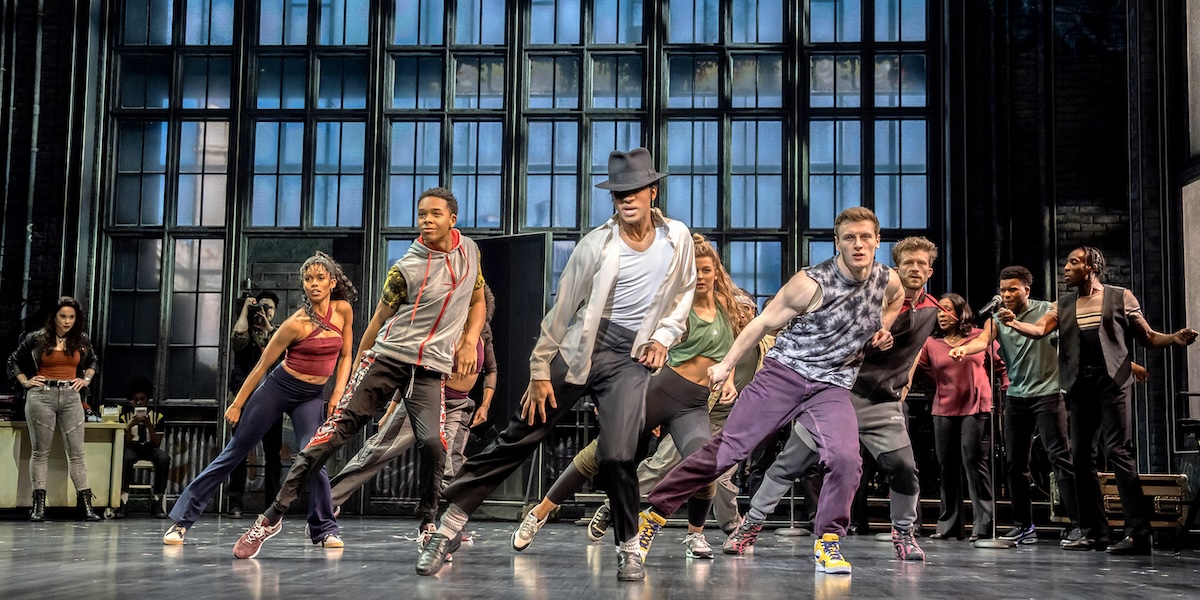
Casting
Once the show is ready to stage, the team will secure a venue and run dates, and then it’s on to casting. As above, that might be made easier if they have actors who really clicked with the material in the workshop and are available to do the full production, otherwise they’re starting from scratch.
Some shows will hold an open call, meaning anyone can turn up to audition – that’s what you see in the musical A Chorus Line. Others will only see actors who have agents, or they might approach a well-known actor directly (through their representation) to discuss taking the part.
If performers are auditioning for a brand-new show, as opposed to a revival of an established work, they will usually receive some information about the character and a scene, speech or song to perform in the room. Sometimes they’ll be asked to read for multiple roles; the director or writers might think they are better suited to a different part after seeing them read.
In the case of a big West End musical, there are usually several rounds of auditions, with successful applicants brought back in to perform again until the roles are finally cast, and those actors learn the exciting news that they have won the part.
Rehearsals
The rehearsal period varies depending on the complexity and budget of a show, but the larger ones will do around six to eight weeks altogether. Usually the whole cast gathers together on the first day for introductions and read-through of the script.
After that, a more traditional rehearsal process will see just a few performers called at a time, depending on who is in that particular scene, or whether they are needed for acting, singing or dancing rehearsals. However some shows, especially devised ones, will work with the whole ensemble a lot of the time in order to develop ideas and the feel of a show as a cohesive group.
For the final stages of rehearsal the cast moves into the actual theatre in order to incorporate all of the technical elements, culminating in a full dress rehearsal with costumes, props and everything else.

Preview period
Previews are the name for the initial performances of the show. They’re a crucial testing ground for the team: often they don’t know exactly how the piece works until an audience is watching it. Will they follow the story at the right pace, laugh at the jokes, be surprised or moved?
Since the team is still working on the material at this point, and may in fact make adjustments to everything from the writing and music choices to costumes, lighting or special effects, the theatre will always make clear that these shows are “previews” – not quite the finished thing.
Many people actually enjoy going to previews specifically since you’re a part of the creative process, plus you’re the first to see a new show being born. You can also get some great discounts, since previews usually have lower ticket prices.
Opening night
This is the big occasion for a show, its official “opening”. Friends and family are invited, as well as industry figures, celebrity guests walking the red carpet, and usually theatre critics who are reviewing the show. Occasionally critics will go to see a show just ahead of opening night (that’s usually how it works on Broadway), but in the UK they’re often at opening night, notebook and pen in hand.
It makes for a charged atmosphere as the cast and backstage crew endeavour to make that night’s performance really special and hopefully send the audience out into the night singing its praises – whether in reviews, on social media, or just telling their friends, family members and colleagues what a triumph it is.
A successful opening night (and fantastic reviews!) sets a show on its way being a hit, and possibly continuing to run for years to come. It’s the reward for all of that hard work, passion and creativity, and for those of us lucky enough to experience an opening night, especially for a new and exhilarating show, it’s a real privilege to witness the birth of a great piece of theatre.
Book tickets on LondonTheatre.co.uk.
Originally published on
Related articles


Subscribe to our newsletter to unlock exclusive London theatre updates!
- Get early access to tickets for the newest shows
- Access to exclusive deals and promotions
- Stay in the know about news in the West End
- Get updates on shows that are important to you
You can unsubscribe at any time. Privacy Policy