


Why theatre is the perfect place for 'Game of Thrones'
The Royal Shakespeare Company is bringing George R. R. Martin's world to the stage in Game of Thrones: The Mad King this summer.
Summary
- George R. R. Martin's world is coming to the stage in a world premiere production
- Game of Thrones: The Mad King is being staged by the Royal Shakespeare Company
- There are many parallels between Martin's writing and that of the Bard
- Theatre is also the ideal form in which to explore these complex characters and their imaginative world
The new hotspot for buzzy franchises is the stage, whether it’s Netflix sci-fi thriller Stranger Things or the book and movie phenomenon The Hunger Games. The latest epic to land in a British theatre venue is Game of Thrones, which began life as a book series and became an international TV hit (with two spin-off shows currently airing).
This world premiere play, Games of Thrones: The Mad King, will be staged by the Royal Shakespeare Company in Stratford-upon-Avon from July. It’s based on George R. R. Martin’s books, acting as a prequel to the original TV series, and features a script by Duncan Macmillan and direction by Dominic Cooke.
For those who first got to know Martin’s fantasy adventure via a screen adaptation full of special effects – especially the mammoth dragons – it might initially seem like a puzzling choice. But there are many reasons why Thrones and theatre are actually a match made in heaven.
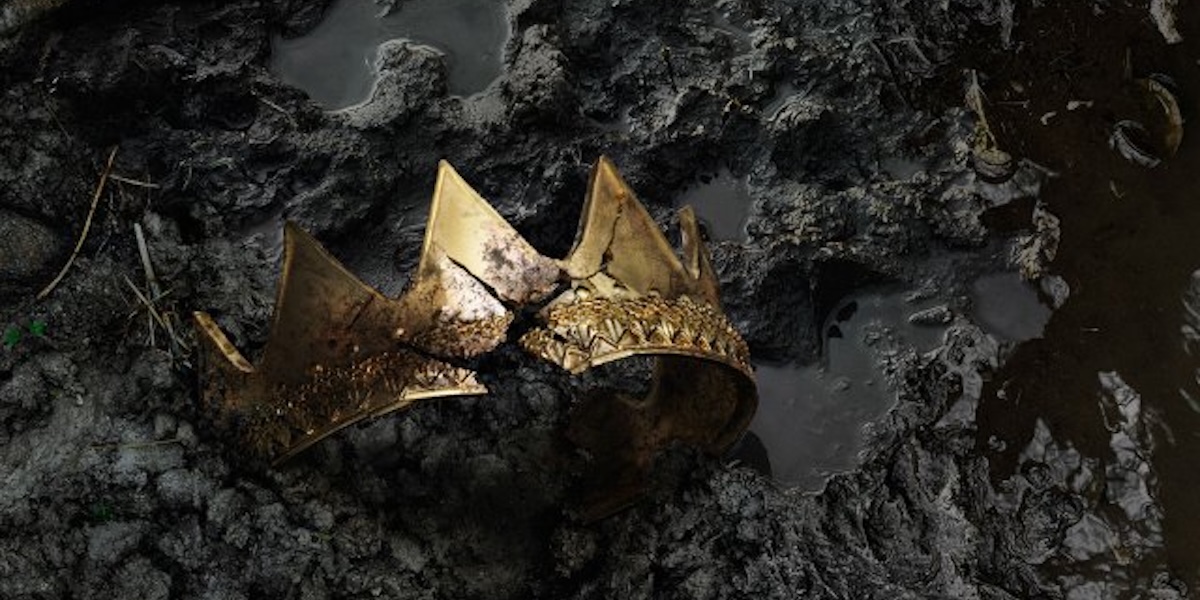
Game of Thrones is like a Shakespeare play
The RSC, in particular, is the ideal company to bring Thrones to life on stage, since there are numerous ways in which Martin’s world resembles a Shakespeare play in its plotting, characters, ideas, and setting. Martin himself said that “[Shakespeare]'s plays have been a constant source of inspiration to me and my writing”, while Macmillan described Martin's storytelling as “Shakespearean in its scale and its themes”.
The Thrones realm, like many Shakespeare works, is an artistic version of a recognisable historical period. In the case of The Mad King, which focuses on Aerys II and takes place during a fateful tournament, it’s set around 10 years before the events of the first Thrones TV series, putting it in the late medieval period.
The tale is both a family saga – Aerys is the last Targaryen king, and his story also involves key figures from the Lannister, Stark and Baratheon families – and one exploring politics, royalty, morality, and leadership. There are betrayals, power struggles, tragic deaths, prophecies, star-crossed lovers, and, as the moniker “Mad King” suggests, an exploration of mental instability.
This is all material that an RSC cast and creative team can thoroughly explore in a riveting stage form, one which brings these characters and their dilemmas much closer to an audience and allows us to connect with them as people as well as mythical and totemic figures within Martin’s universe. It’s been announced that the Royal Shakespeare Theatre will be specially reconfigured for the show, bringing audiences right into the heart of the action.
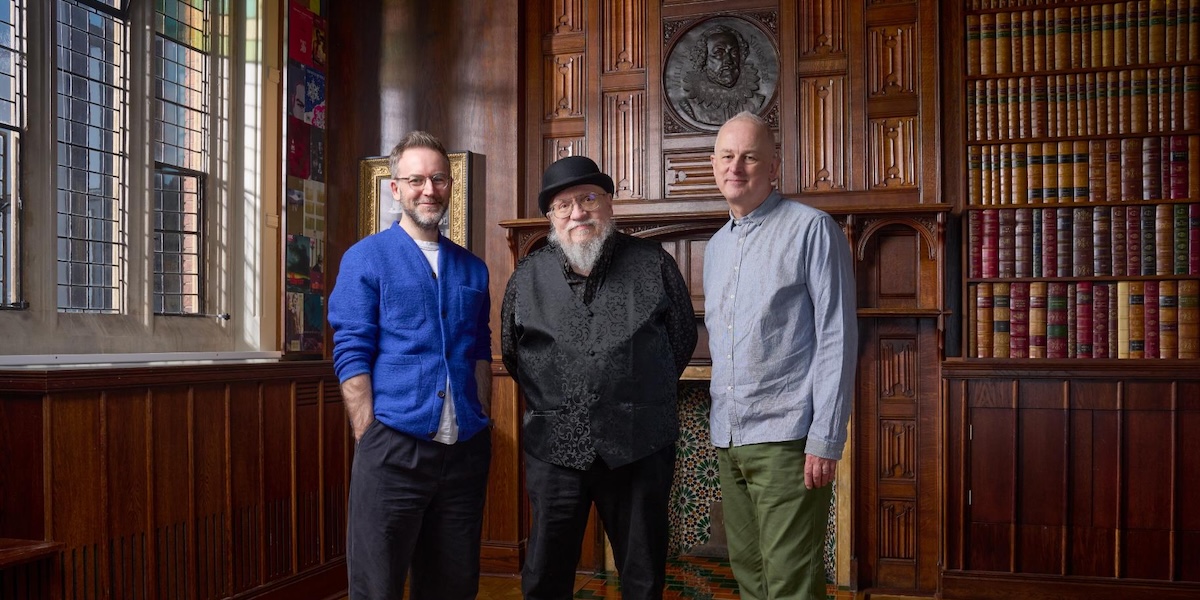
Theatrical imagination knows no bounds
Yes, we can’t have CGI dragons on stage or magic up vast armies at the press of a button. But theatre truly has no limits when it comes to conjuring everything from a royal court to the battlefield: all it takes is ingenious stagecraft and the willingness of an audience to see the creators' vision. We all summon this world together – and it’s all the more satisfying for that.
Of course, theatre can also use innovative technical wizardry in support, as we’ve seen in shows like Stranger Things: The First Shadow, tap into old-school stage magic, like in Harry Potter and the Cursed Child, or come up with something never seen before, like the titular bear in Paddington The Musical. The fun part is figuring out which solutions best to support the story being told.
We are also in a golden age of puppetry: everything from Life of Pi and My Neighbour Totoro to returning National Theatre favourite War Horse. This extraordinary craft has proven a versatile and immensely powerful asset in British theatre, adding a further imaginative and emotional dimension to onstage drama.
We already know that puppets will play a key role in the Game of Thrones play: Nick Barnes (Life of Pi) and Finn Caldwell (War Horse) are members of the creative team. That may well mean we get dragons on stage, as well as horses and other creatures – maybe even of the otherworldly variety.
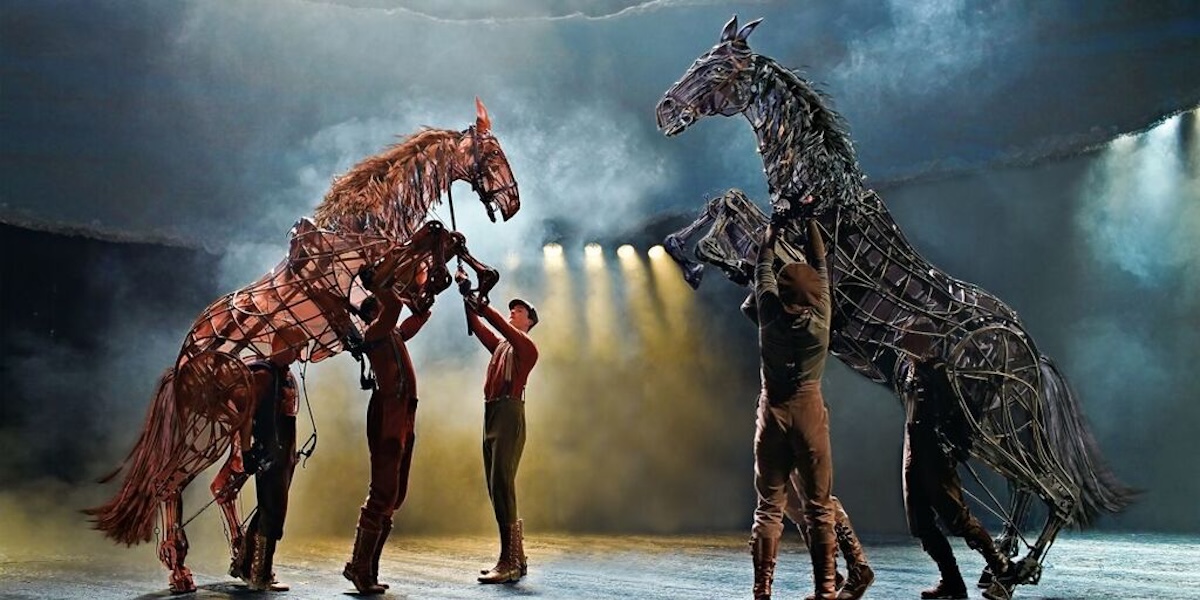
Theatre is a primal form of storytelling
Game of Thrones is a saga which doesn’t just spin a fantastic yarn, but also, at its heart, celebrates (and interrogates) the art of storytelling. The conclusion of the TV series specifically cites that aspect, and it’s discussed throughout as characters tell stories about their own lives, their family lineage, and the ethics or necessity of their decision-making – both to themselves and, in the case of the throne-adjacent figures, to the public at large.
It will be a thrill to experience this chapter of Thrones in a theatre, where you get the strongest connection with other people since you are physically sharing a space, and where you enjoy a story being told to you – and a world summoned from nothing in front of you – in a tradition spanning thousands of years. That should be especially effective for the supernatural elements of Martin’s world: we are accustomed to suspending disbelief in the theatre and reaching beyond the literal.
For hardcore Thrones fans, there will be a particular excitement in meeting some of the characters they already know and love in the flesh – such as younger versions of TV favourites Ned Stark and Jaime Lannister – as well as exploring all of the places, historic characters and pivotal events that they have heard so much about.
But all audiences should be able to enter this world via the magic portal of theatre and connect with everything from the relatable humanity – love, fear, desire, vengeance – to the pertinent themes, exploring what makes a good ruler, a good family, and a good person. Not to mention a gripping story told with the sort of jaw-dropping creativity that you can only find in a theatre.
Main photo credit: George R. R. Martin (Photo by Seamus Ryan/RSC). Inset: Game of Thrones: The Mad King, Duncan Macmillan, George R. R. Martin and Dominic Cooke, War Horse (Photos courtesy of the production, by Seamus Ryan/RSC, Brinkhoff/Moegenburg)
Originally published on
Related articles


Subscribe to our newsletter to unlock exclusive London theatre updates!
- Get early access to tickets for the newest shows
- Access to exclusive deals and promotions
- Stay in the know about news in the West End
- Get updates on shows that are important to you
You can unsubscribe at any time. Privacy Policy